I Stopped Ice Skating Uphill with ADD
(And Started Building My Own Path)
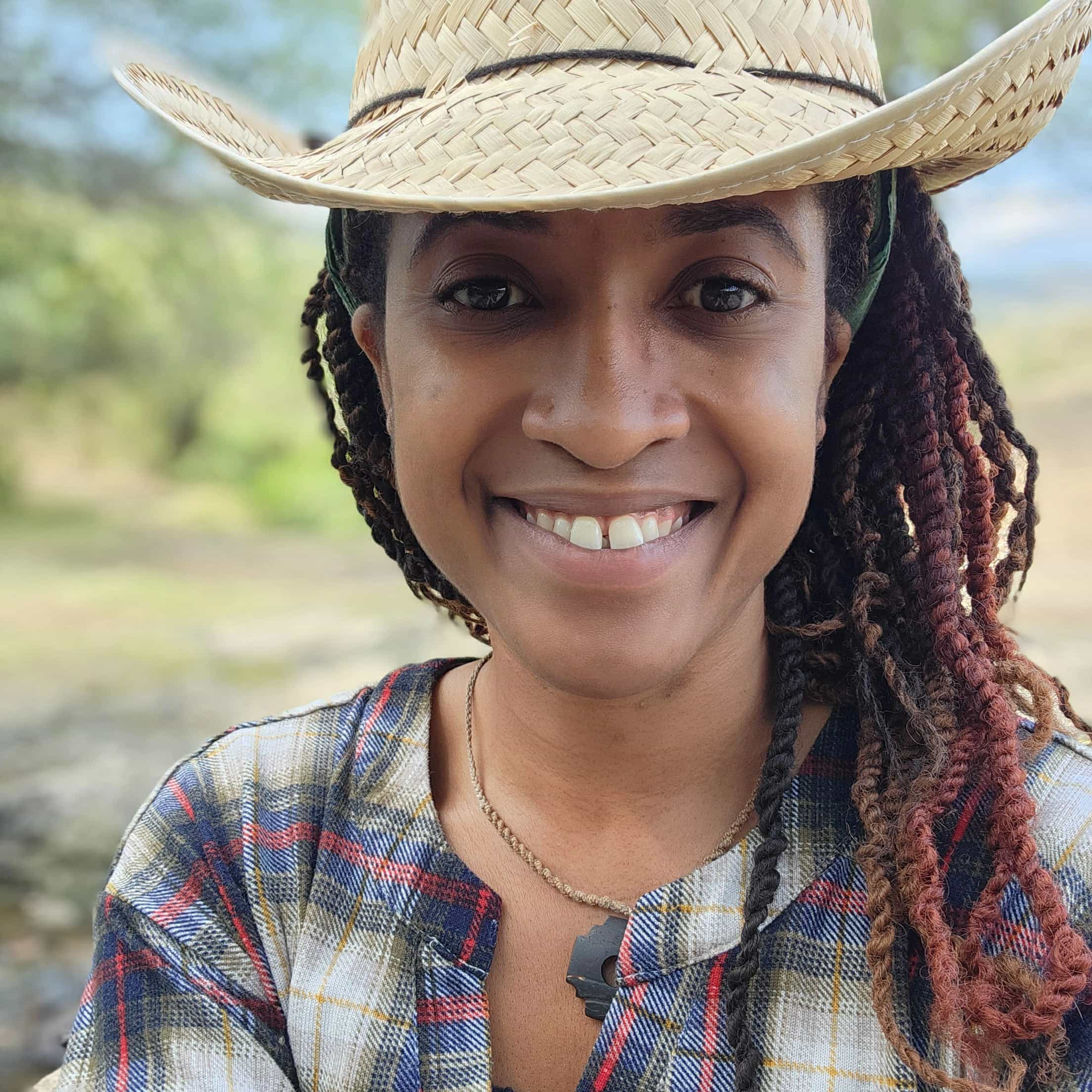
My dad loved telling me to get back on that horse.
I wonder if he knew that every time he said it, I imagined myself splayed out in the dirt, staring up at a personal behemoth only I knew the shape of. I never stopped trying, but I got lost in it.
He couldn't have known then that his words would become the engine behind everything I've built since.
Turns out, he was right. I just needed a different horse.
"I didn't yet know the quote famously attributed to Einstein about the definition of insanity, but on some level, I felt it."
If at first you don't succeed... I don't remember a time when I wasn't trying. I'd be admitted into prestigious programs, impressing admissions counselors with my sharp perception, only to perplex them later with my inattention.
Black girls are the most underdiagnosed group of neurodivergent kids in the US. Because when the world already expects you to underperform, teachers rarely think to look deeper. If you're a little Black girl, your brilliance is an anomaly, and your struggles are confirmation bias. Your disengagement doesn't trigger curiosity, so you almost get held back.
Add to that a generation of Black parents who shook off mental health care like a haint that shan't be named, in favor of sheer force of will, and it's no wonder there are so many grown Black girls with lost keys today.
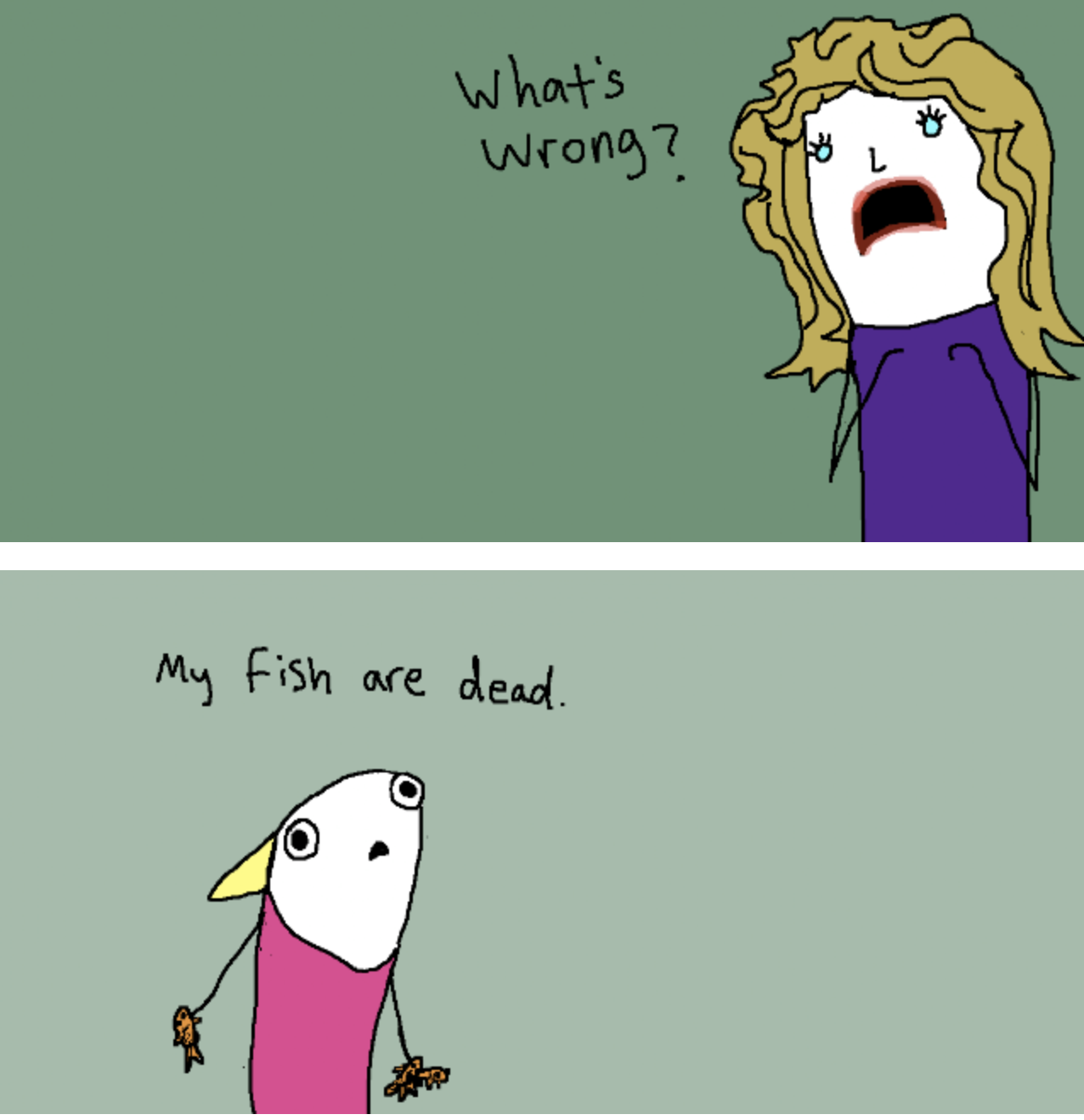
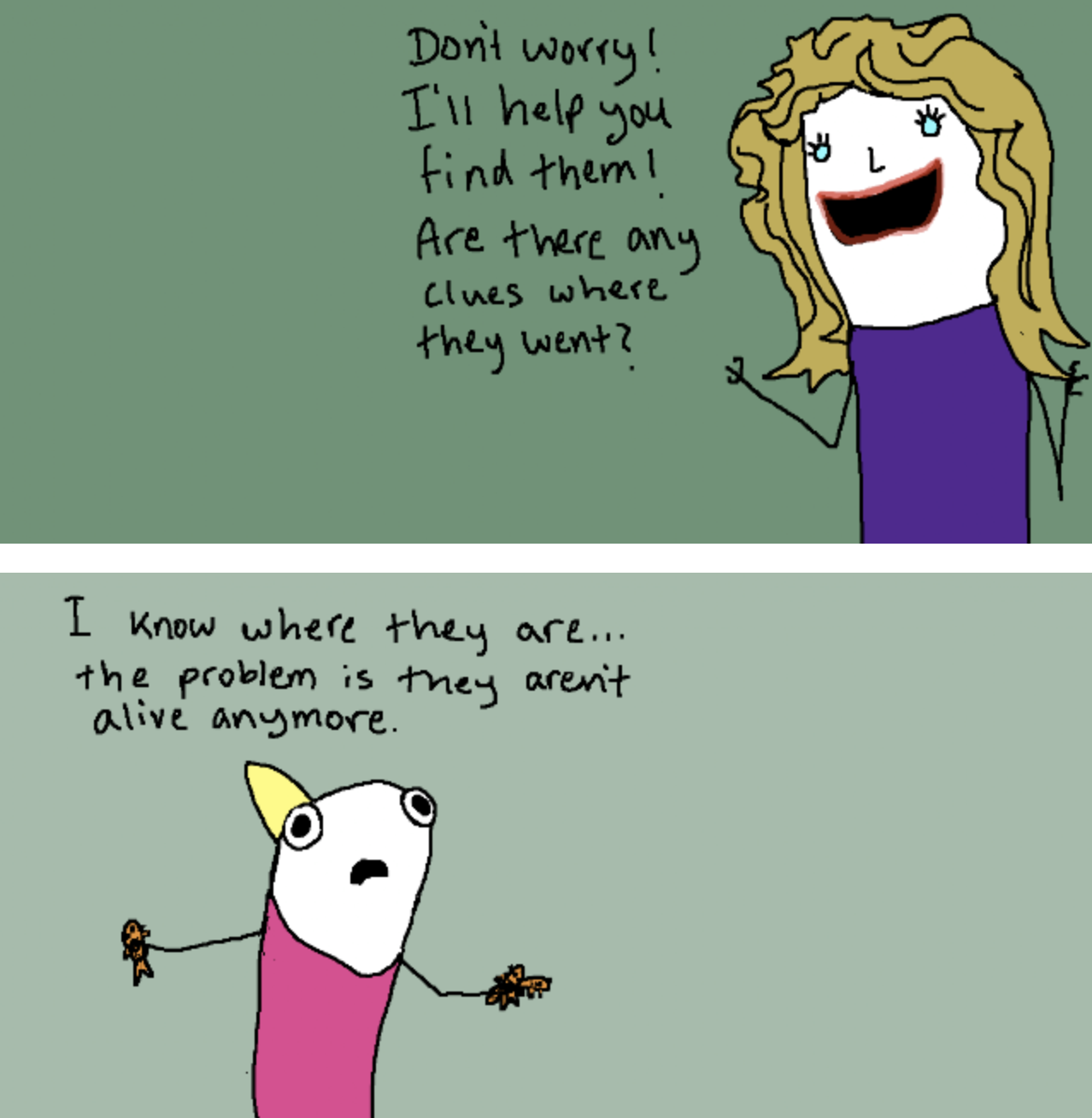
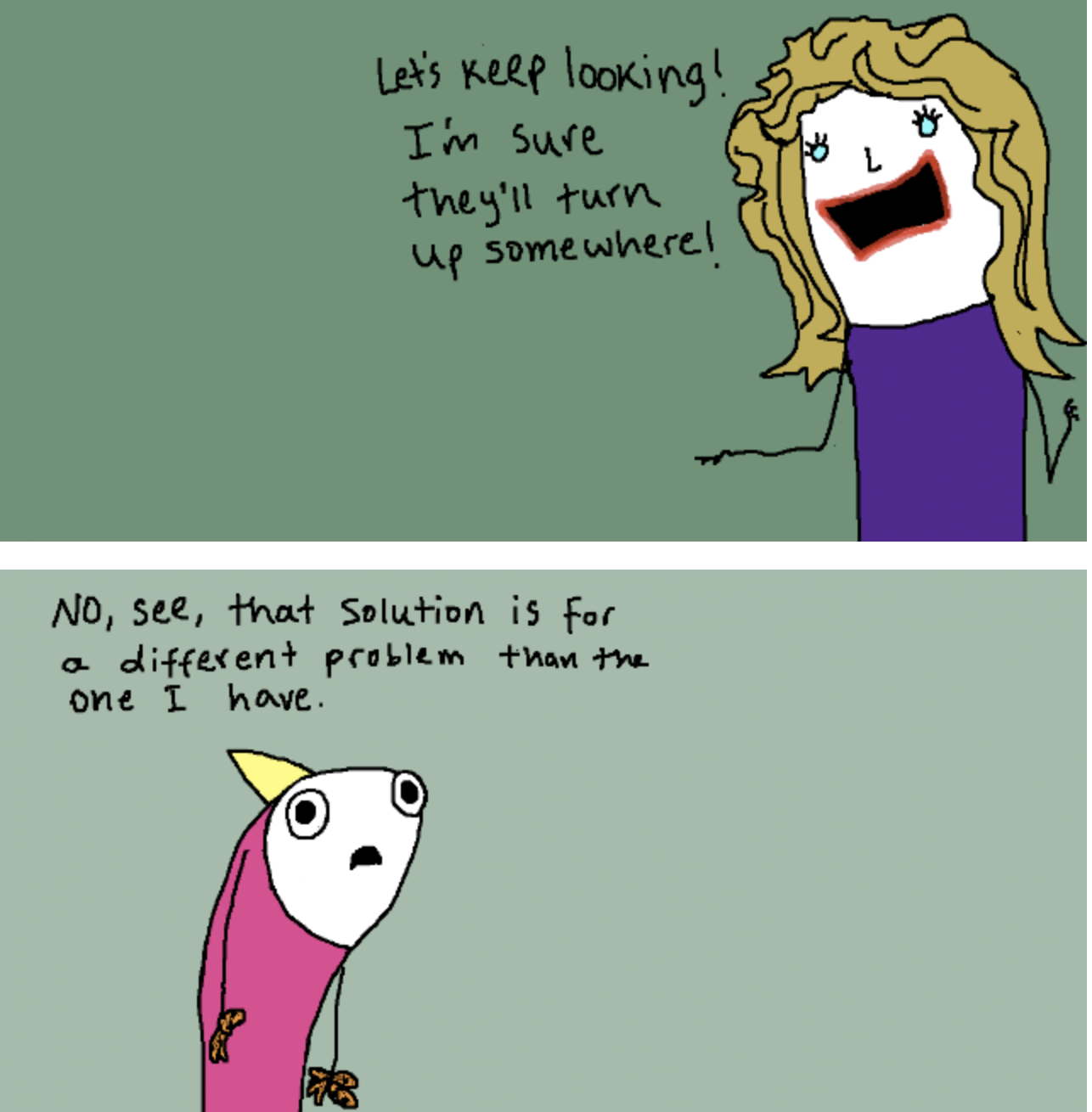
It was stumbling across webcomics like Hyperbole and a Half and The Oatmeal that sent me down a path of inquiry which ultimately led to my diagnosis of Attention Deficit Disorder at the age of 33.
From Hyperbole and a Half
What It Cost, And What It Taught
"Having ADHD in a world that's always giving us more things to do, manage, check off, and maintain is like trying to ice skate uphill while balancing a silver platter full of marbles."
Anytime I slipped into the paralysis of overwhelm, the marbles scattered across the ice.
So I carried a sense of failure around with me everywhere. Jobs didn't last, and progress slipped through my fingers. The sense that something was just off with me hardened into a deep shame.
- In college: I was a violin student and music scholarship recipient, but the workload required to keep it was just too much. So I gave my university back their money.
- In my 20s: I was almost deployed as a Peace Corps volunteer twice, only to back out both times at the very last minute. The real reason was all the unstructured time I'd have on my hands. The idea of recreating the same failures while doing something I dreamed of was intolerable.
- A few years later: I applied to two graduate programs and decided not to go because I wasn't convinced I'd be able to hold down the kind of job I'd need in order to pay back the student loans.
"Every opportunity I walked away from, I didn't know why I couldn't. I just knew it felt impossible."
When It All Came Tumbling Down
My breaking point came in Seattle while I was working at a nonprofit working two and a half jobs for $15 an hour. The day my boss fired me, she said, and I'll never forget it, I created more work for her because she always had to worry about the quality of mine.
In my early 30s, while my friends were getting married and signing mortgages, I felt like a floundering bird who'd failed to launch. I became singularly focused on getting evaluated.
I was diagnosed with the inattentive type of Attention Deficit Disorder. Because of my diagnosis, I started feeding my passions and entrepreneurial spirit almost as a devotional practice, promising I would never abandon myself in shame again.
"Once I understood how my brain actually works, the question stopped being 'Why do I struggle?' and became 'What kind of systems actually work for someone like me?'"
So I stopped trying to force myself into other people's systems, and I started designing my own.
When The Stakes Got Real
I embraced remote gig work, which gave me the freedom to live in the woods for a year, immersing myself in the world of herbs, and finally to leave the United States altogether. I moved to Mexico with my cat, Juju, and signed a lease on a house that was perfect for us.
Once I made it here, I became fiercely protective of the life I was building. That meant becoming a resident, which meant I needed to earn more money than I have ever earned working a conventional job in order to qualify.
Managing unstructured freelance income meant my brain had to generate its own motivation and focus. I had to dig in and work with the challenges of my ADD.
And that's how I wound up building a tool called Payday Relay.
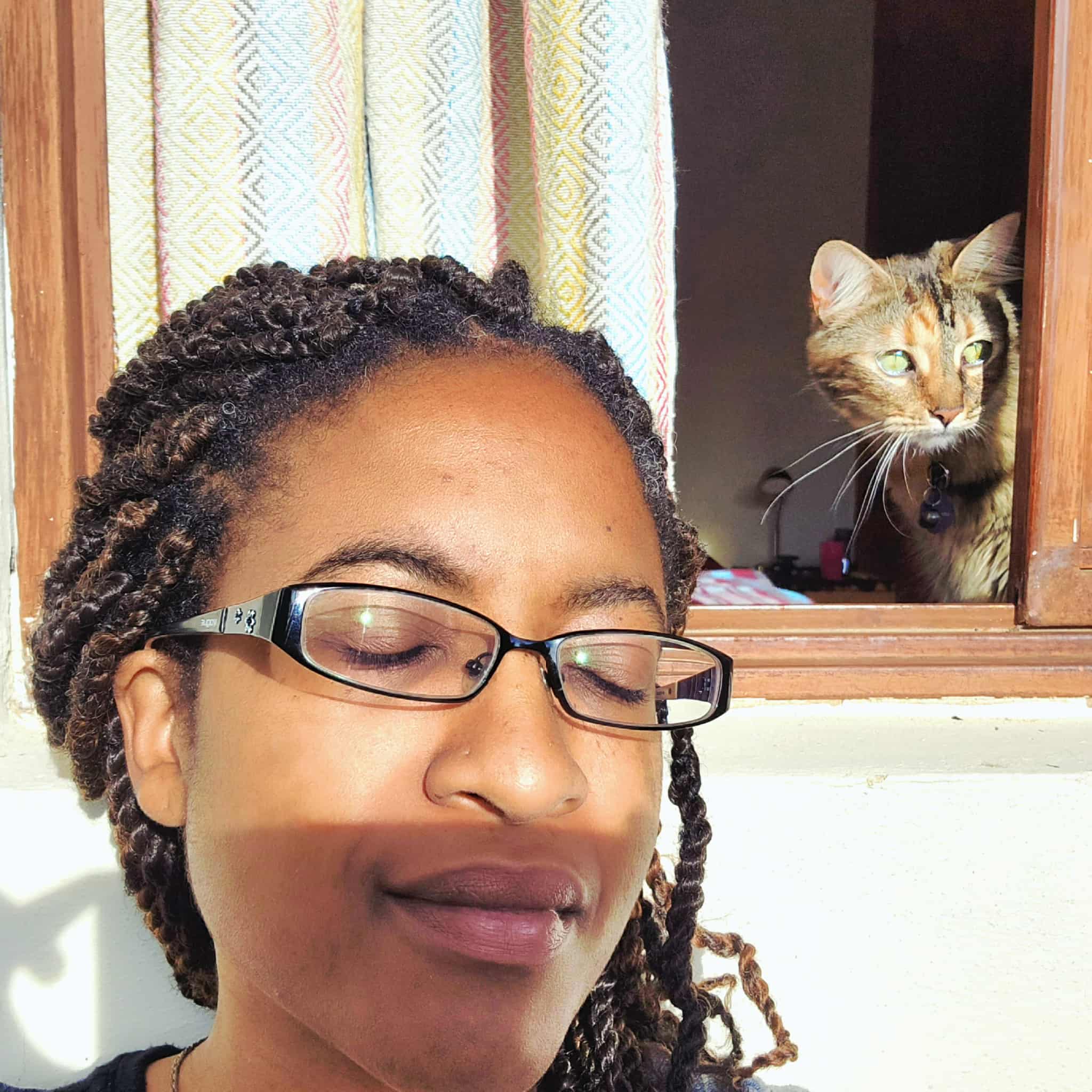
Juju, enjoying our new life in Mexico.
What I Built
Traditional jobs gave predictable pay, but cost me my equilibrium. Unstructured income gave me flexibility, but no traction. I'd work in intense bursts, then crash, then panic, then avoid looking at my numbers because they felt like a report card I had already failed.
I built Payday Relay because I wanted something that could:
- ✓Turn "I should be working" into clarity with a goal.
- ✓Give my brain little dopamine hits of satisfaction for making progress.
- ✓Still leave me in charge of when and how I got work done.
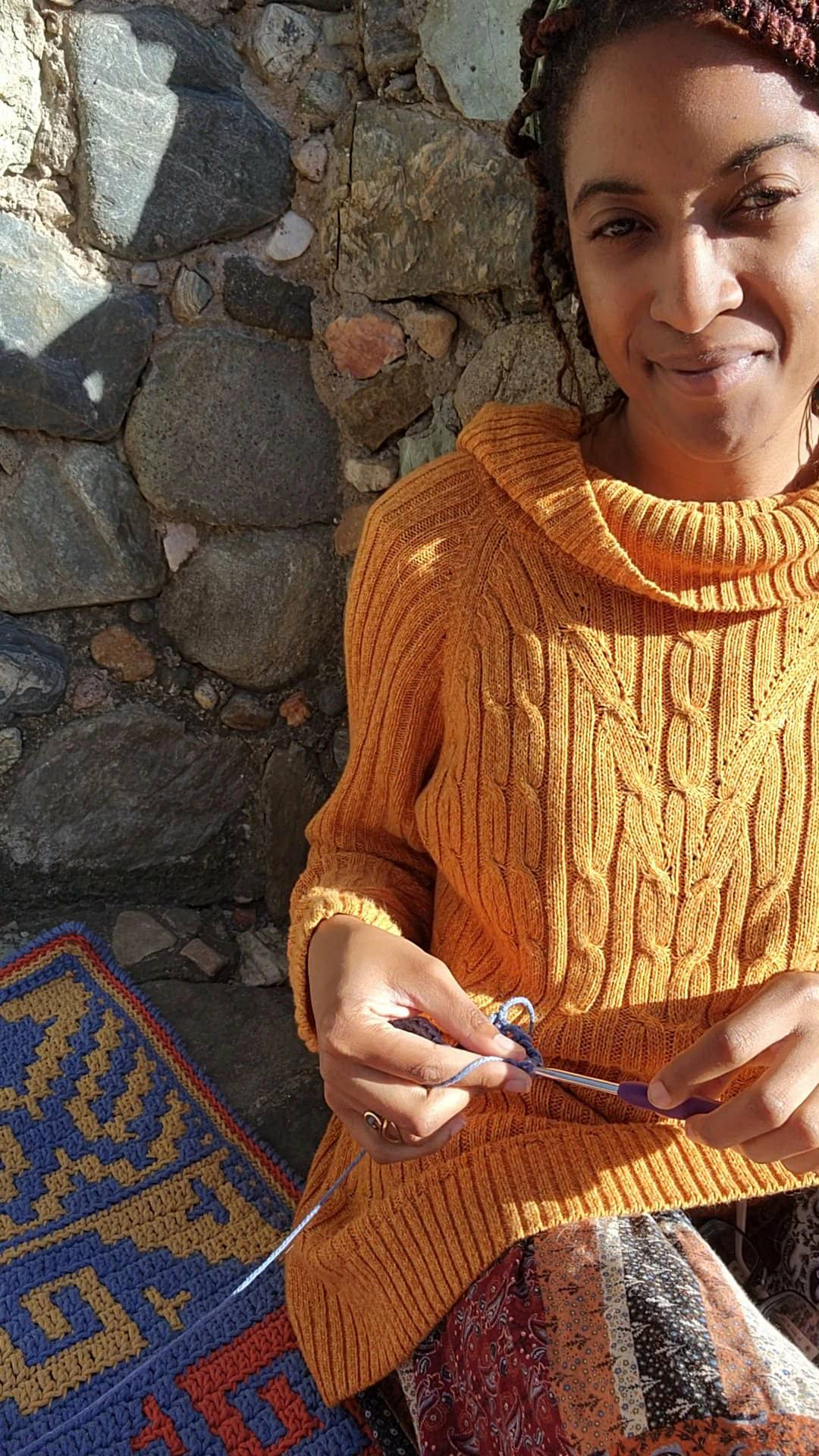
I started playing with the idea of a weekly relay: one number for the week, passed from me-now to me-later. A relay race with myself.
Shifting from constantly asking myself, "Am I doing enough?" to "How close am I to this week's goal?" eliminated the overwhelm from the sense of unending not-enoughness. Each week became its own little arc, instead of one long, blurry hustle.
Before I could run a relay, I had to know what I was running toward. So I made a goal calculator to accompany it. It answers one deceptively simple question: Given the life I actually want, and the brain I actually have, what does my weekly relay need to be?
Within three months of using that system, I had enough extra funds to take myself on vacation without working a single day. Now I'm using it to work toward long-term financial solvency and independence, on my terms.
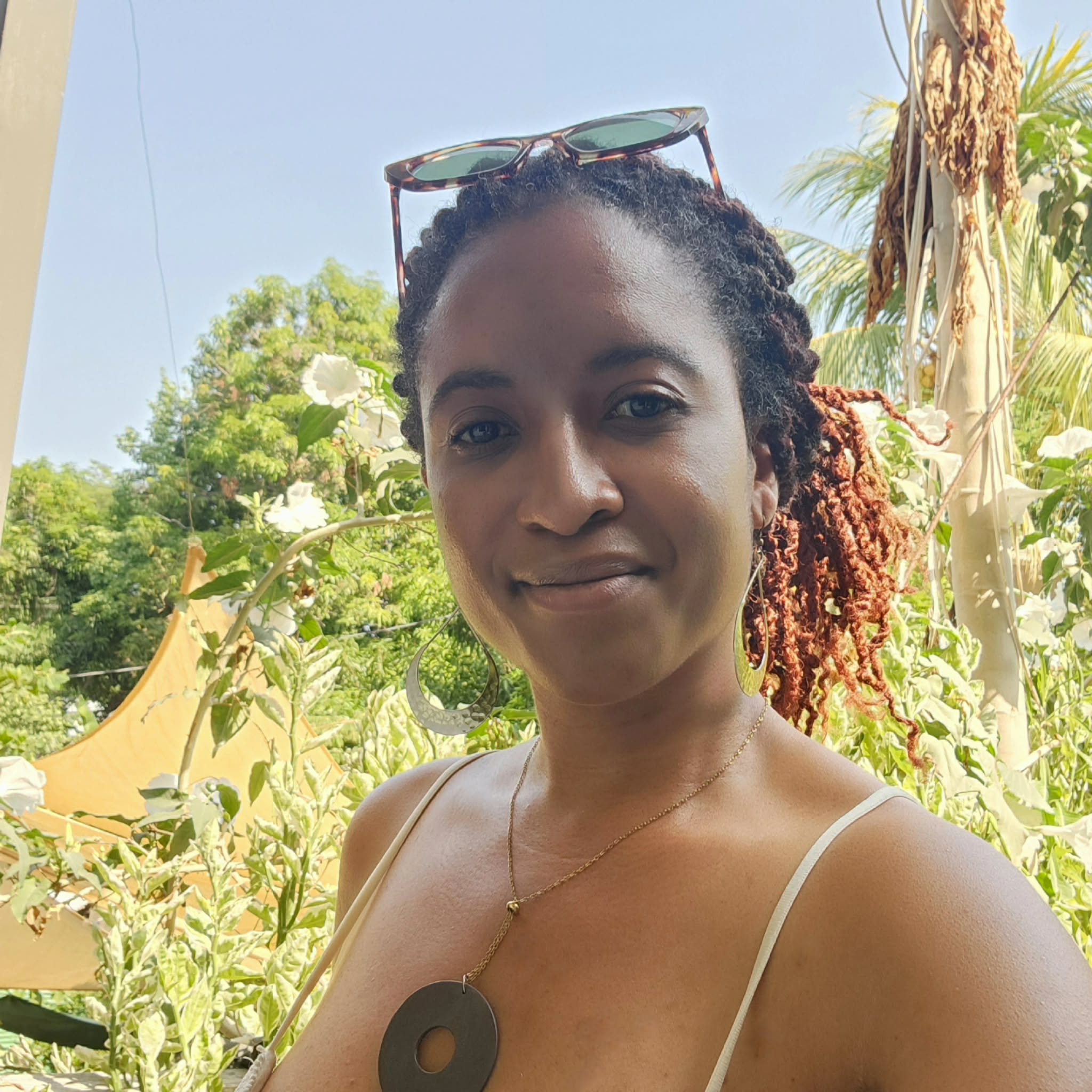
Taking a well-deserved break in El Zonte, completely unplugged.
Now It's Your Turn
If any of this resonates (the stop-start cycles, the money shame, the love-hate relationship with freedom) I'm guessing you know a thing or two about getting "back on the horse." Doing it because you're supposed to, because you were told that if you just tried harder, you'd eventually figure it out.
"What I've learned is that sometimes the work isn't getting back on the same horse. Sometimes the work is admitting the horse was never built for you, and building something else to ride."
You deserve a way of earning and planning that doesn't feel like evidence against you. That's why I built the calculator to get honest about the life I actually wanted and what it would take to fund it. It's just a way to sit down with your brain, your numbers, and your future self and say: Given who I am and how I work, what would enough look like this year?
If you're curious, you can start there.
Play with the calculator. Run your numbers. See what your weekly relay wants to be. You can stop there and still walk away with a number that belongs to your life, not anyone else's.
"You are not broken for finding that old horse impossible to ride. You're allowed to build something that moves at your pace, on your terrain, with your brain, and call that your way forward."
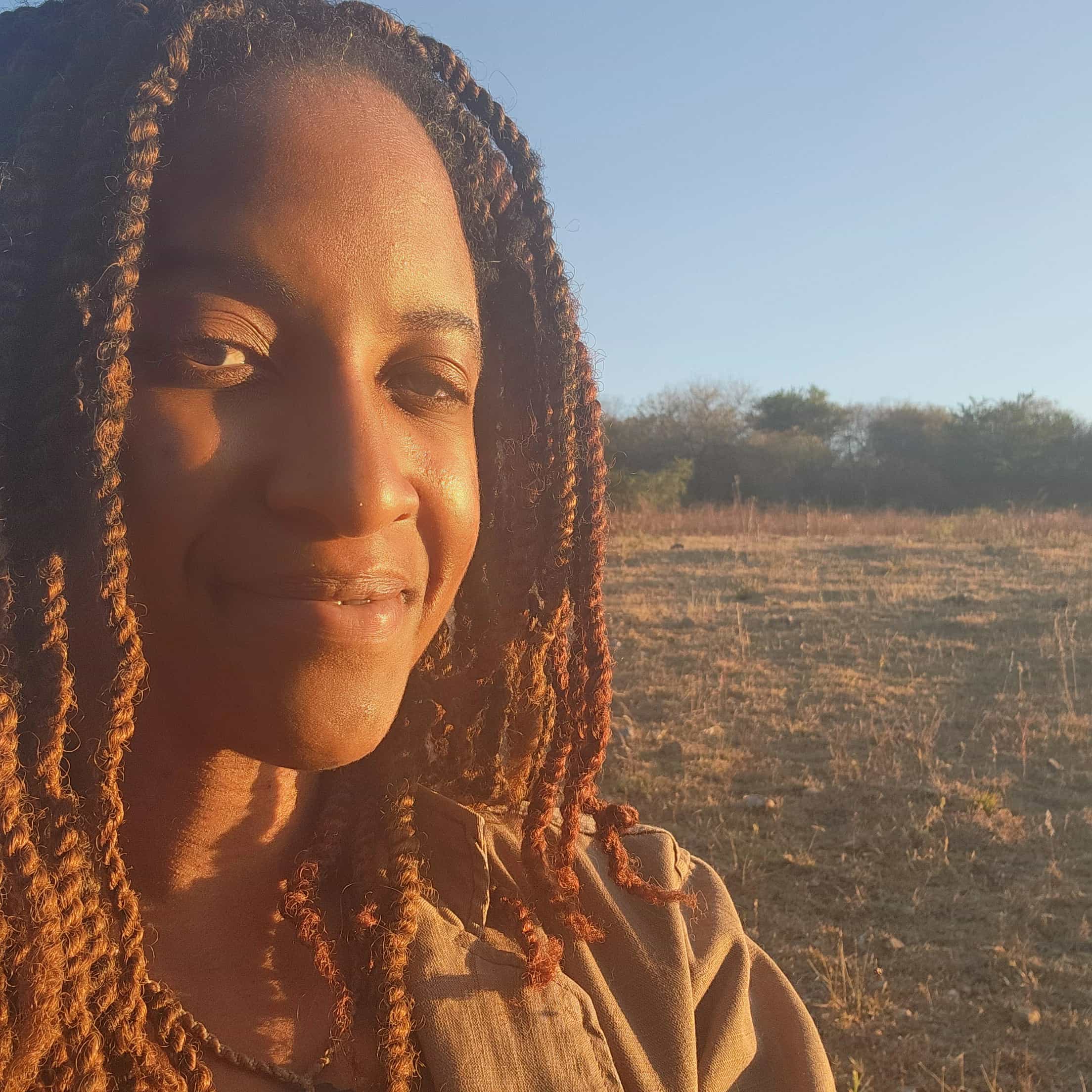
Living my life on my own terms, one relay at a time.